
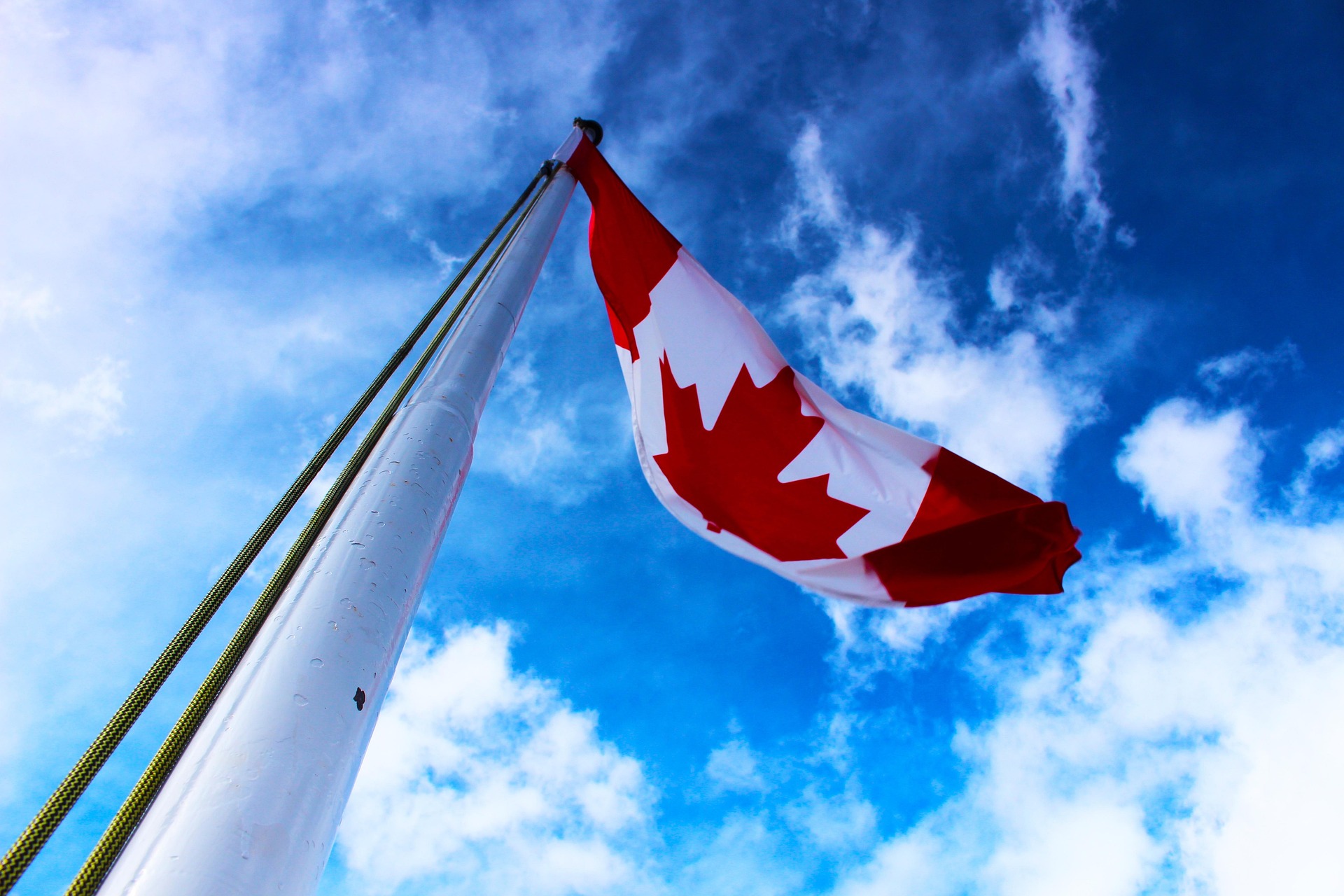
Oh, Canada! Our home and native land… now navigating the choppy waters of international trade, thanks to the latest curveball from south of the border.
In a move that\’s sent ripples through the global market, President Trump has imposed a 25% tariff on Canadian exports, with a slightly gentler 10% tariff on Canadian energy products.
The stated goals? To curb illegal immigration, combat drug trafficking, and address trade imbalances. Whether these tariffs will hit their mark or backfire spectacularly is up for debate, but one thing\’s certain: Canadian businesses are in for a wild ride.
What Are the New 2025 Tariffs?
Affected Industries and Products
Comparison to Previous Tariffs
How the Trump Tariffs Impact Canadian Businesses
Effects on Exporters and Importers
Supply Chain Disruptions and Cost Implications
Currency Fluctuations and Trade Uncertainty
Leveraging Free Trade Agreements and Exploring New Markets
Don’t Navigate This Alone—Get Expert Guidance
What Are the New 2025 Tariffs?
The U.S. administration has slapped a 25% tariff on a broad spectrum of Canadian goods, sparing only energy products, which are subject to a 10% tariff.
This move is part of a broader strategy that also targets imports from Mexico and China.
Affected Industries and Products
The Trump tariffs cast a wide net, ensnaring industries such as automotive, agriculture, manufacturing, and consumer goods. From maple syrup to machinery, few sectors are left untouched.
Here are some of the most affected industries and products:
1. Automotive Industry
-
- Vehicles
- Auto parts and components
2. Agriculture & Food Industry
-
- Dairy products
- Meat (beef, pork, poultry)
- Grains (wheat, canola, soybeans)
- Seafood (lobster, salmon)
- Maple syrup
3. Manufacturing & Industrial Goods
-
- Machinery and equipment
- Steel and aluminum products
- Construction materials
4. Consumer Goods & Retail
-
- Electronics
- Appliances
- Clothing and textiles
- Home goods
5. Energy & Natural Resources
-
- Crude oil and petroleum products
- Natural gas
- Lumber and forestry products
Comparison to Previous Tariffs
Unlike the tariff tiffs of yesteryears, these measures are more comprehensive, signaling a shift towards aggressive protectionism.
In past trade disputes, tariffs largely focused on steel, aluminum, and select goods, allowing many industries to sidestep the worst of the impact. This time, however, that’s not the case. This will result in more industries on edge, more businesses scrambling, and more economists clutching their stress balls.
The economic fallout isn’t expected to be immediate, but rather a slow burn over the next three to five years as companies restructure supply chains, seek alternative markets, and pass costs down to consumers.
If history is any guide, we can expect a back-and-forth dance of retaliatory measures, legal challenges, and high-stakes diplomacy—all while businesses foot the bill and politicians hold press conferences about the “tough but necessary” stance on trade.
Fasten your seatbelts, Canadian business owners. This ride is just getting started.
How the Trump Tariffs Impact Canadian Businesses
Effects on Exporters and Importers
Canadian exporters now find themselves caught between a tariff and a hard place, facing steeper costs to sell their goods in the U.S. What was once a straightforward trade relationship—built on mutual benefit and the occasional hockey rivalry—has turned into a financial headache, with Canadian businesses paying the price for political maneuvering.
Meanwhile, Canada’s retaliatory tariffs mean importers of U.S. products aren’t getting off easy either. This brings us higher prices, tighter margins, and a trade war that benefits no one—except maybe tariff lawyers.
Supply Chain Disruptions and Cost Implications
For businesses that rely on seamless cross-border trade, the new tariffs are like throwing a wrench into a well-oiled machine—except the wrench now costs 25% more, takes twice as long to arrive, and comes with a pile of paperwork.
With tariffs driving up costs on raw materials, components, and finished goods, businesses are left scrambling to adjust pricing, renegotiate contracts, or find alternative suppliers. Some might shift production to new markets, while others may eat the costs and hope customers don’t revolt over higher prices.
Either way, expect delays, disruptions, and a whole lot of logistical headaches.
As companies rethink their supply chains, some may pivot to European or Asian suppliers, while others double down on domestic sourcing—which, ironically, might also cost more.
Currency Fluctuations and Trade Uncertainty
As if tariffs weren’t enough, the Canadian dollar is now riding a financial rollercoaster, reacting to every policy shift, market speculation, and offhand tweet.
With the loonie dipping and diving against the U.S. dollar, businesses dealing in international trade now have one more unpredictable variable to manage—because nothing says “fun” like fluctuating exchange rates on top of rising costs, right?
For importers, a weaker Canadian dollar means U.S. goods just got even more expensive, making it harder to absorb tariff-driven price hikes. Meanwhile, exporters might see a short-term boost as a cheaper loonie makes Canadian goods more attractive abroad, but that advantage is shaky at best if tariffs price them out of the market entirely.
The bottom line? Trade uncertainty is the new normal, and businesses need to buckle up.
Strategies to Mitigate Risks
While tariffs may be out of your hands, how you respond isn’t. Canadian businesses have options to soften the blow, but they’ll need to act fast and think smart.
Leveraging Free Trade Agreements and Exploring New Markets
If your supply chain relies heavily on the U.S., it’s time to hedge your bets. While the Canada-United States-Mexico Agreement (CUSMA) was meant to stabilize trade, it’s clearly not immune to political curveballs.
Businesses should seek alternative suppliers in countries that aren’t caught in the crossfire, such as those within the Comprehensive and Progressive Agreement for Trans-Pacific Partnership (CPTPP). Nations like Japan, Vietnam, and Australia offer potential alternatives for raw materials, manufactured components, and consumer products.
Some businesses are also looking to Europe for trade partnerships under CETA (Canada-EU Trade Agreement) to reduce dependency on the U.S. market.
The U.S. isn’t the only game in town, and smart businesses are looking elsewhere.
Don’t Navigate This Alone—Get Expert Guidance
Tariff strategy isn’t a DIY project—missteps can cost time, money, and long-term competitiveness. Whether you need help restructuring your supply chain, leveraging trade agreements, or managing cash flow under new cost pressures, working with financial and business experts can save you from costly trial and error.
Welcome to AIS Solutions. We’re a Canadian bookkeeping and cloud accounting firm with expertise in virtual bookkeeping, bookkeeping for ecommerce, SaaS companies, landscapers, and contractors.
We help business owners make good financial decisions by providing accurate real-time numbers.
We also specialize in QuickBooks training.
- If you enjoyed this article, you might also like ‘Improve Your Financial Literacy as a Canadian Business Owner.’
- If you’re a business owner interested in learning more about our bookkeeping services, we’d love to chat with you. Head over here to arrange a time for us to meet.
- If you’re interested in QuickBooks training, head over here.
